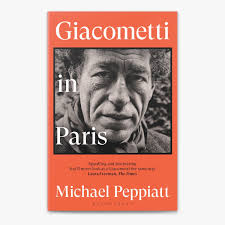
This is one of those books I wouldn’t have read had it not been for the book club. It is beautifully written.
Peppiatt is an Art Historian who went to Paris in January 1966 to try to meet Alberto Giacometti but found he had just died. Peppiatt spent the next thirty years there retracing the artist’s life,
Giacometti wasn’t French but an Italian speaking Swiss from the remote Val Bregaglia in the Graubünden Canton of SE Switzerland.
He went to Paris in 1922 to study sculpture and lived in Paris for the rest of his life, except for the war years which he spent largely in Geneva. Throughout he retreated to Val Bregaglia, where his parents lived. The book is the second one the group has read focused on the life of a non-Frenchman captivated by the Paris of the interwar years, the first “Between Meals, an Appetite for Paris” by AJ Liebling (1959). In both books Paris itself is a central character.
Giacometti was assisted by his brother Diego, who remained in Paris during the Occupation, did much of the heavy lifting, acted as a model and worked with him in the decorative arts, which they didn’t look down on but saw as complementary to sculpture. They lived in sordid conditions on the Left Bank in Montparnasse. They didn’t cook but went out for coffee and meals, to brasseries and cafés. Giacometti interacts with other artists, writers and philosophers. He spends time with other non-Frenchmen, Picasso, a monster, “Every act of creation is first of all an act of destruction”, Samuel Beckett and Marlene Dietrich. Concerned about whether he is impotent, Giacometti regularly associates with whores. In 1949 he marries, Annette, a younger Swiss woman from Geneva, who comes to live with him and Diego in Paris, but few changes are made to their austere way of life.
Giacometti saw drawing as the basis of all art and throughout respected the relevance of the art of the past. The book is illustrated with granular black and white photos of locations in Paris and characters Giacometti met. What it doesn’t include are pictures of his artwork, the book inspiring me to look up the artist’s work. Examples are set out below, which tell the real story.
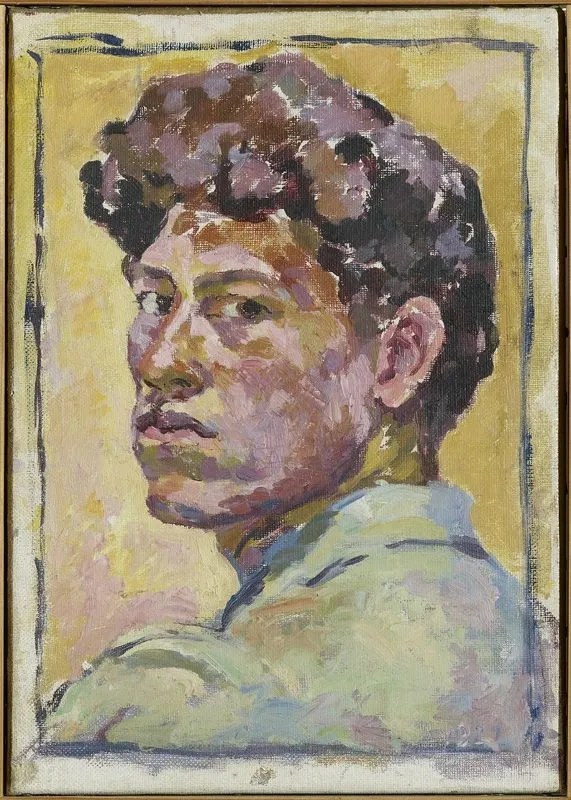
Small self-portrait 1921
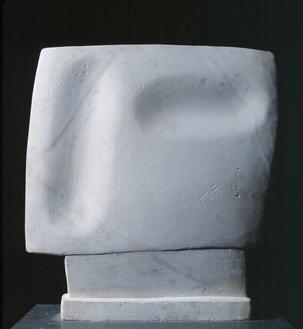
Tete qui regard 1929 Cycladic influenced Plaque

The Palace at 4am 1932 , a theatre of dreams
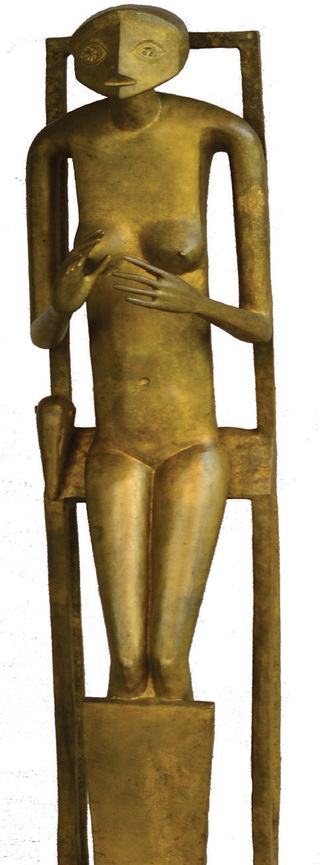
Hands holding the Void 1934 Both Surrealist and Cycladic
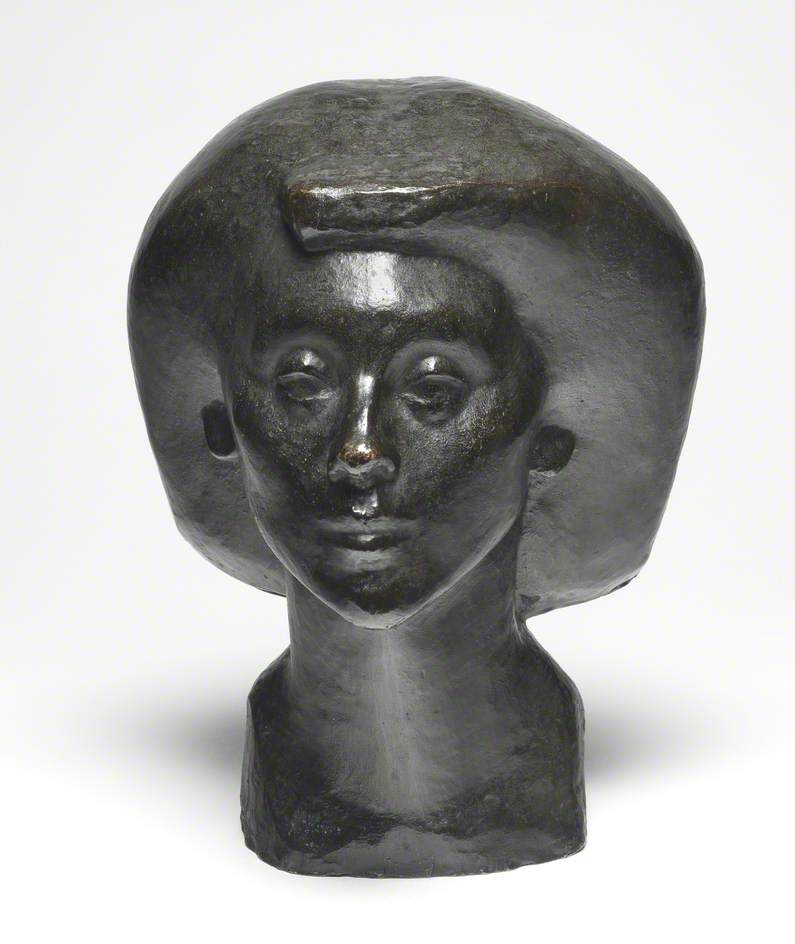
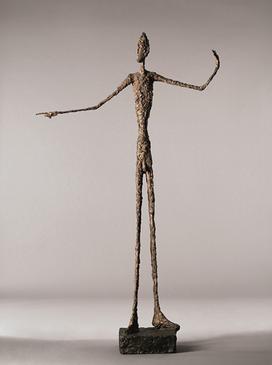
Man pointing 1947 became in 2015 at $141m , the world’s most expensive sculpture.
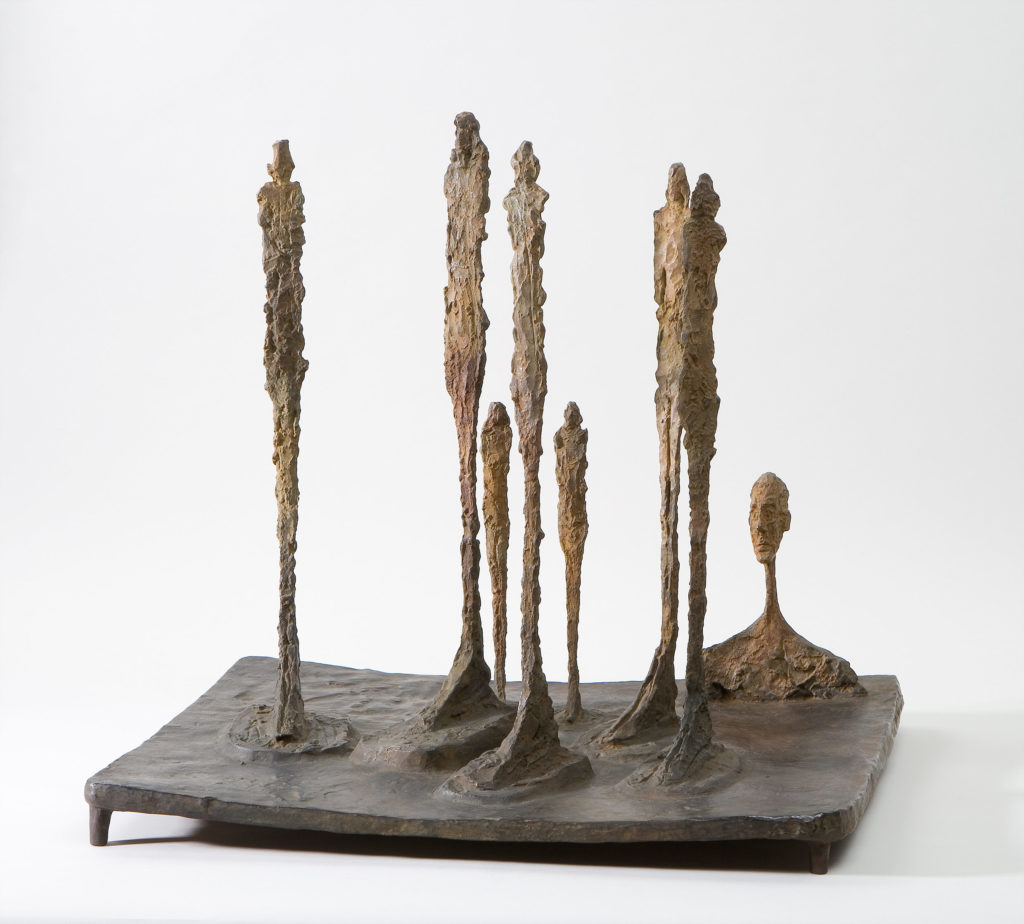
The Forest 1950 Composition with seven figures and a head
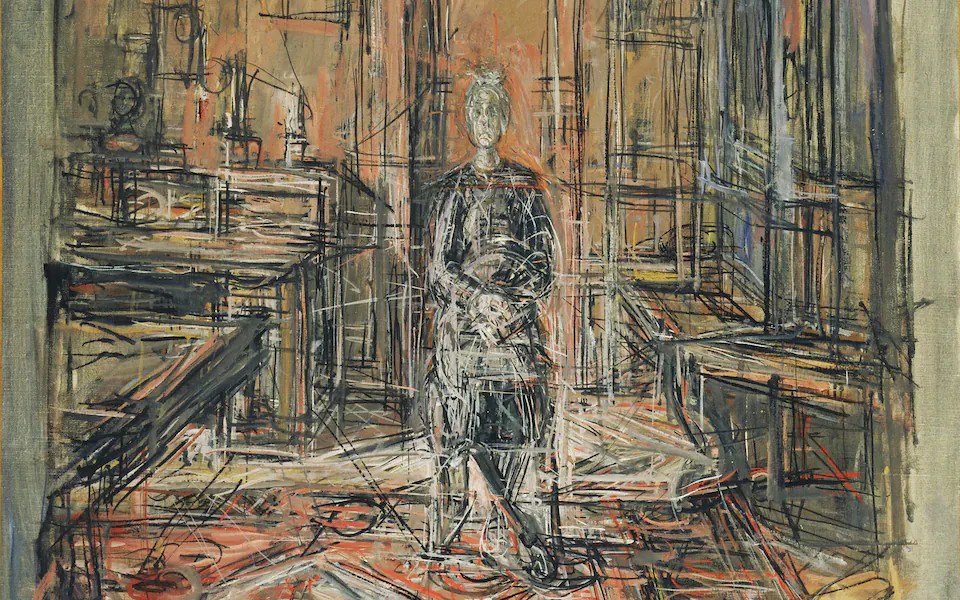
The artist’s mother 1950
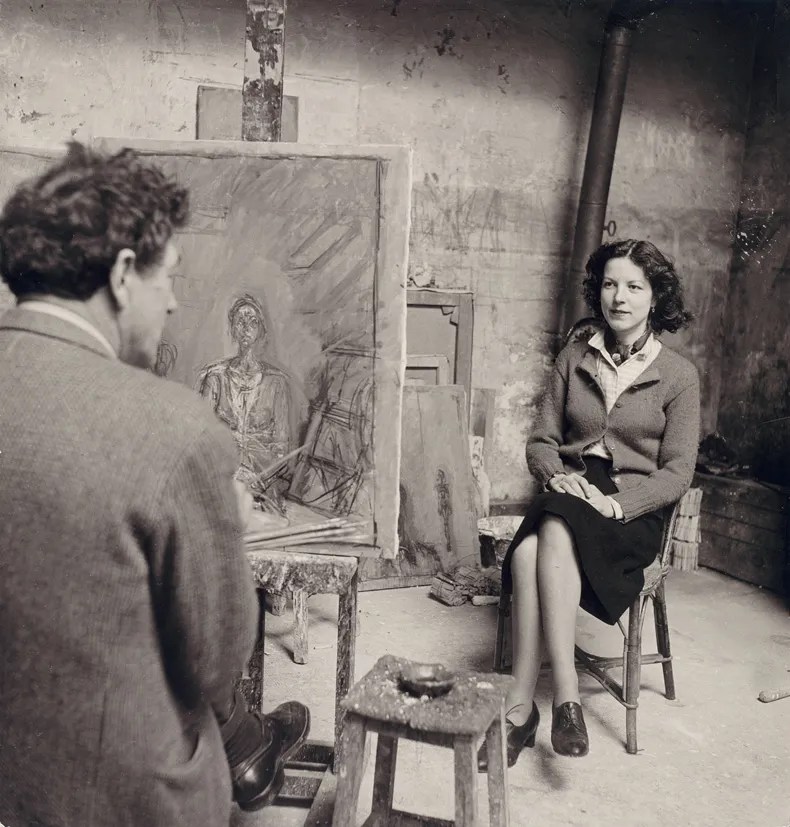
Drawing Annette 1954
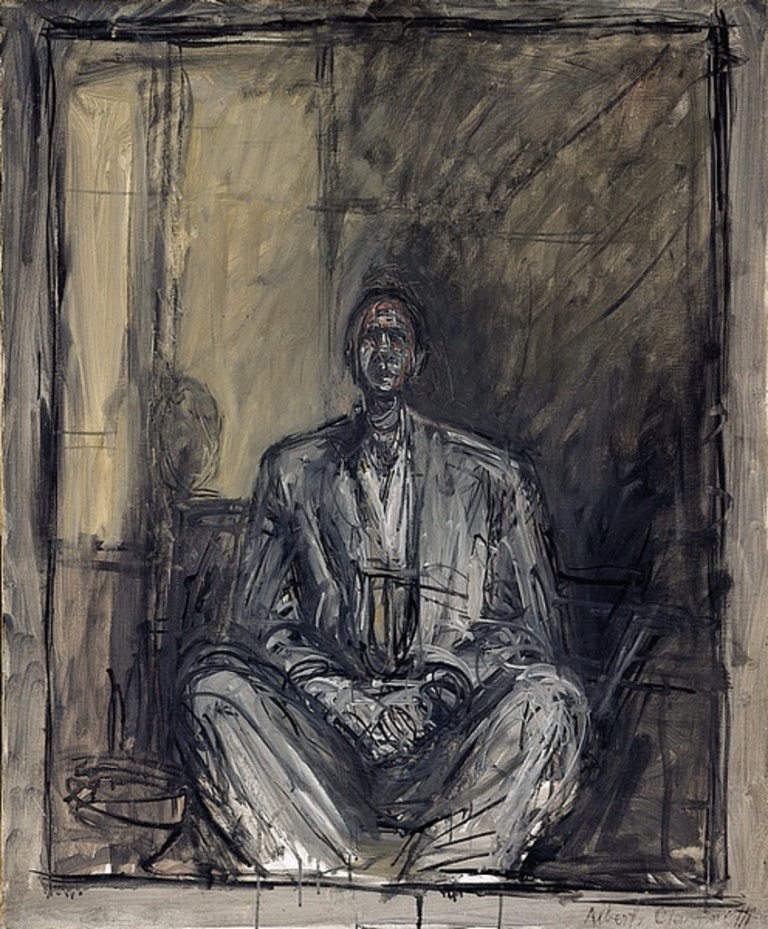
Jean Genet 1955
 Of Books, Bikes & Islands